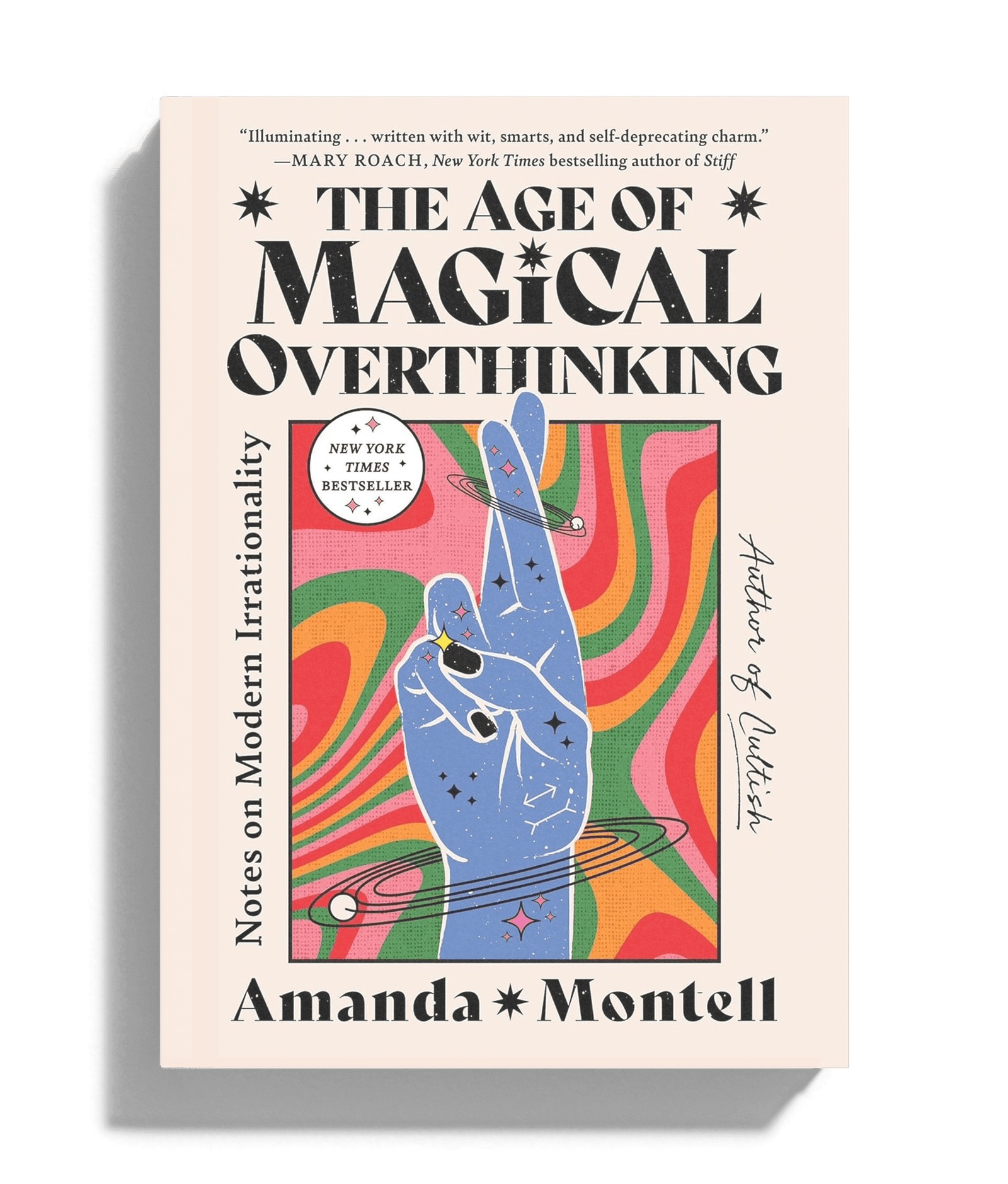


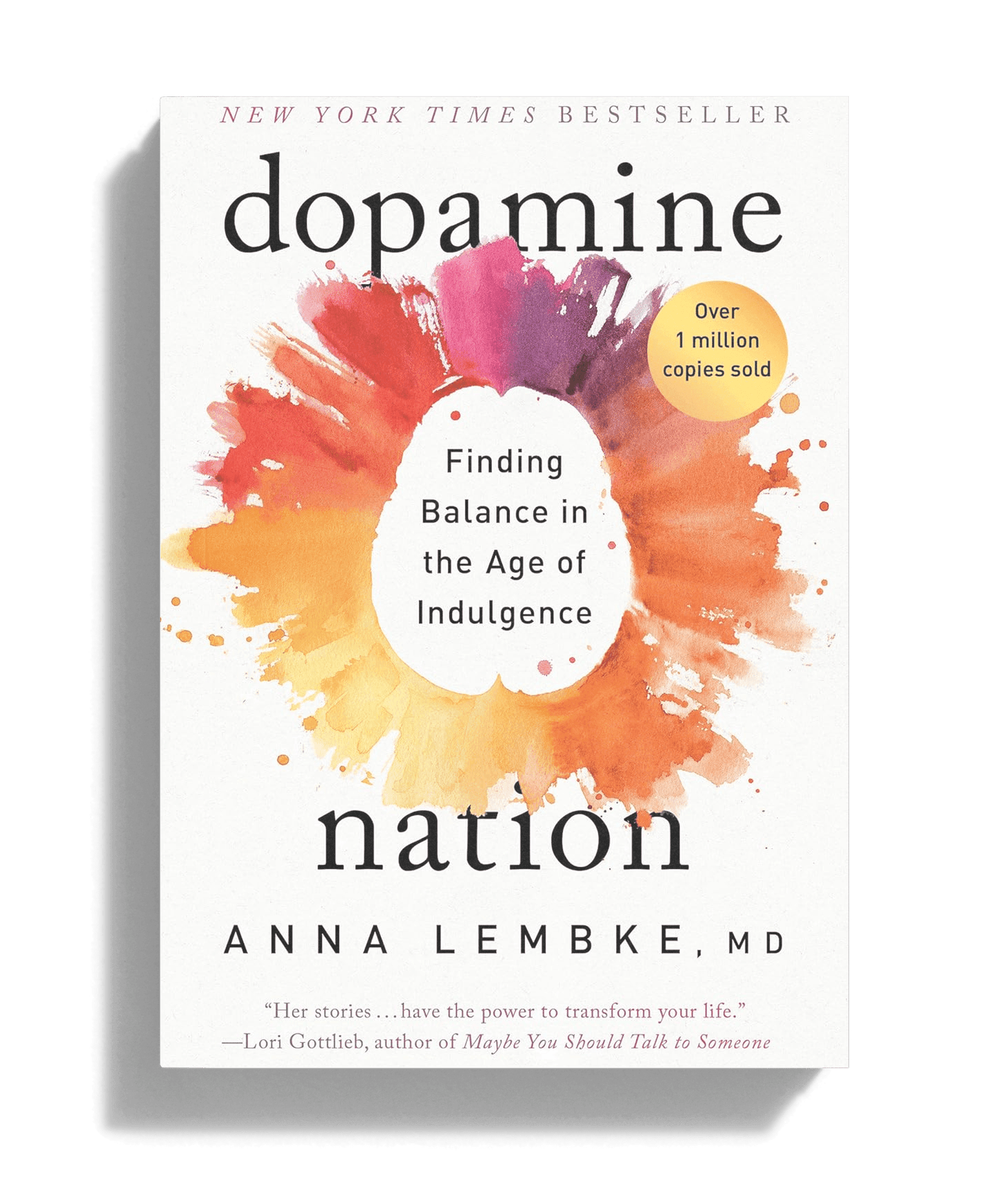
This book helped me understand why so many things that feel good in the moment can quietly make us feel worse over time. The most interesting takeaway wasn’t addiction itself, but how the same reward systems influence everyday behaviors most of us wouldn’t consider problematic. You’ll probably find yourself conducting little experiments on your own habits after reading it.
I caught myself saying “well that’s uncomfortably accurate” more than once.
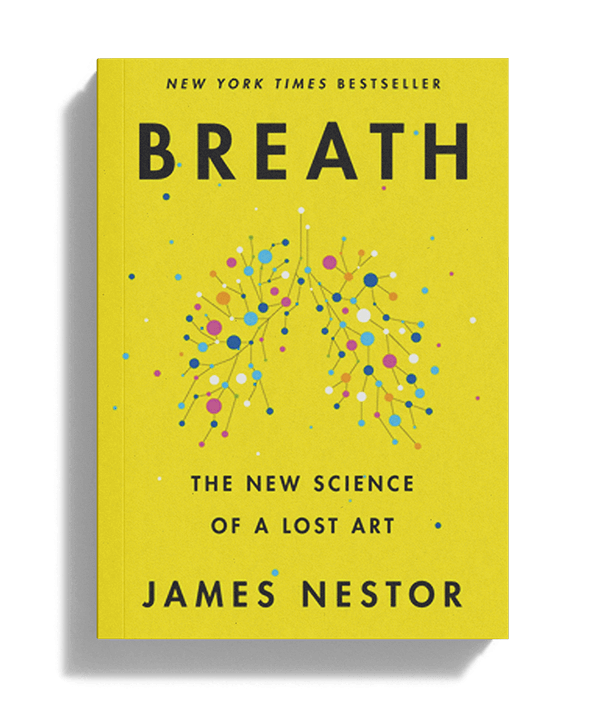
You’d think there wouldn’t be much to learn about breathing. Turns out many of us are doing it inefficiently and paying for it in ways we’d never connect back to our breath. The experiments, history, and science are fascinating, but what surprised me most was how quickly some of the techniques produced noticeable results.
This is one of those rare books where I actually changed a daily habit before I finished reading it.
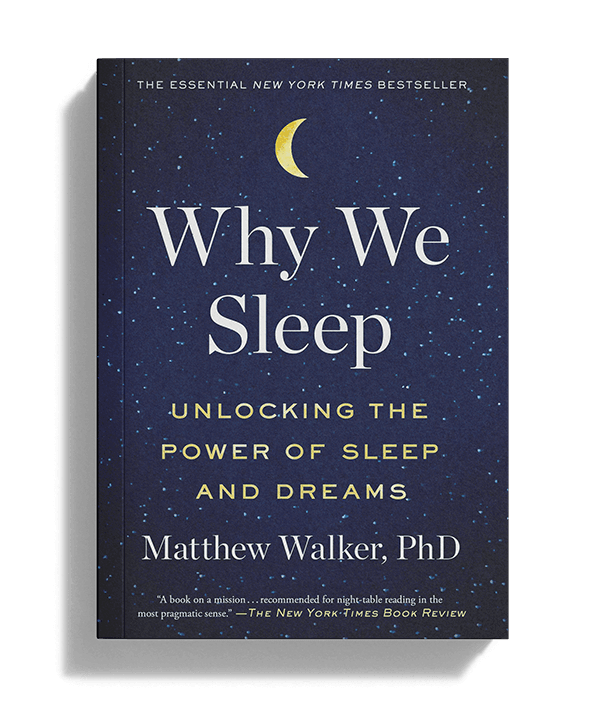
Most of us treat sleep like the first thing we can sacrifice when life gets busy. This book makes a compelling case that it should probably be the last. The science is fascinating, but also a little unsettling once you realize what happens when you’re chronically sleep deprived.
It’s one of the few books that scared me straight on a topic and actually changed my habits.
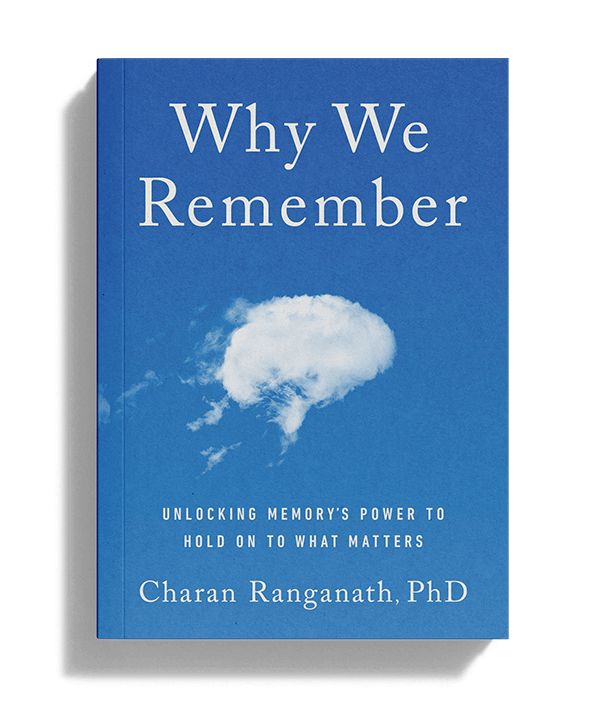
The most memorable moments aren’t always the most important ones. This book explores how emotion, attention, and meaning work together to determine what sticks. Once you understand the mechanics, you start seeing memory differently everywhere.
I probably highlighted half the book. It made me rethink how I teach, present, and tell stories.
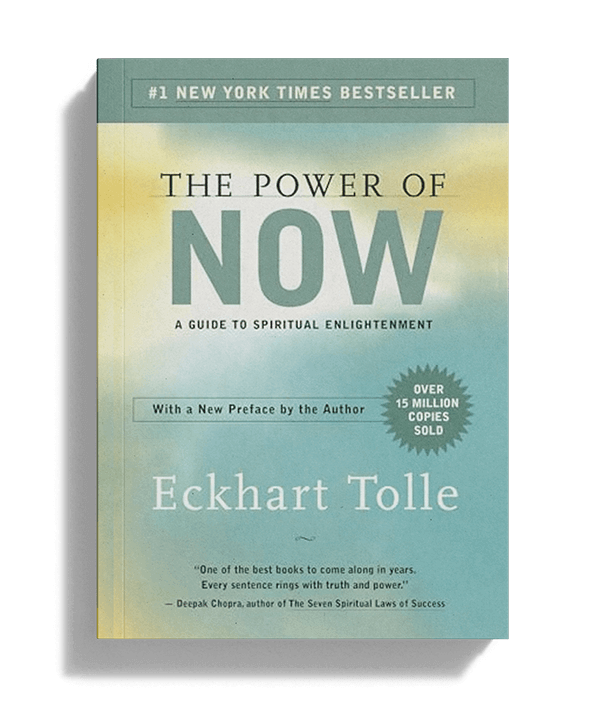
Most of us spend a surprising amount of time replaying the past or rehearsing the future. This book explores how our attachment to those mental stories creates unnecessary stress and dissatisfaction. Whether you view it as psychology, spirituality, or both, the central message is difficult to ignore.
This book gave me a completely different perspective on what mindfulness actually means.
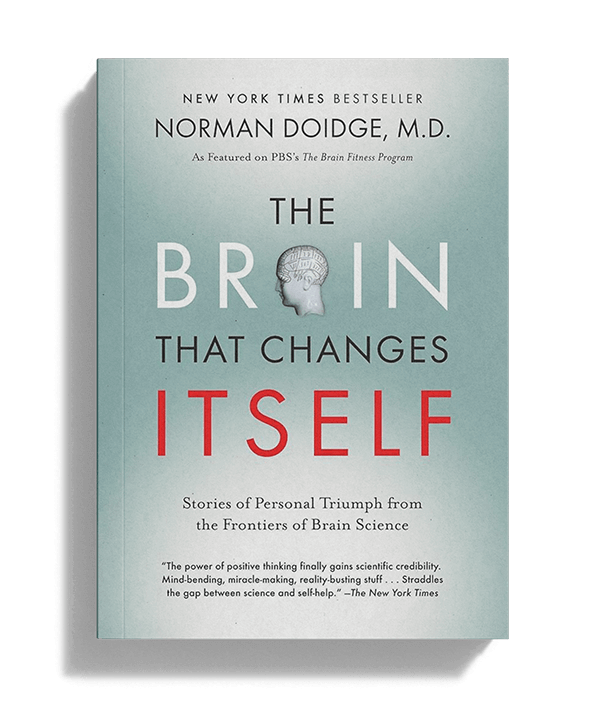
Neuroplasticity is one of the most important concepts in modern neuroscience, and this is the book that introduced it to the masses. Through compelling stories of recovery, adaptation, and growth, it shows what’s possible when the brain is given the opportunity to change. Complex science rarely feels this approachable.
If you’re only going to read one book on neuroplasticity, I’d make it this one.
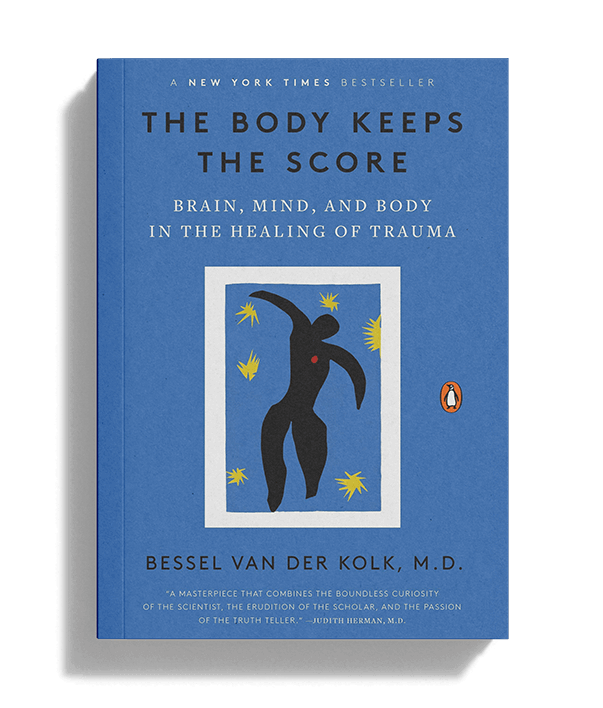
Trauma doesn’t simply disappear because time passes. This book explores how difficult experiences can become embedded in both the brain and body, influencing how we think, feel, and respond to the world. More importantly, it offers hope by showing that healing is possible.
It’s one of the most insightful books I’ve read on understanding human behavior.
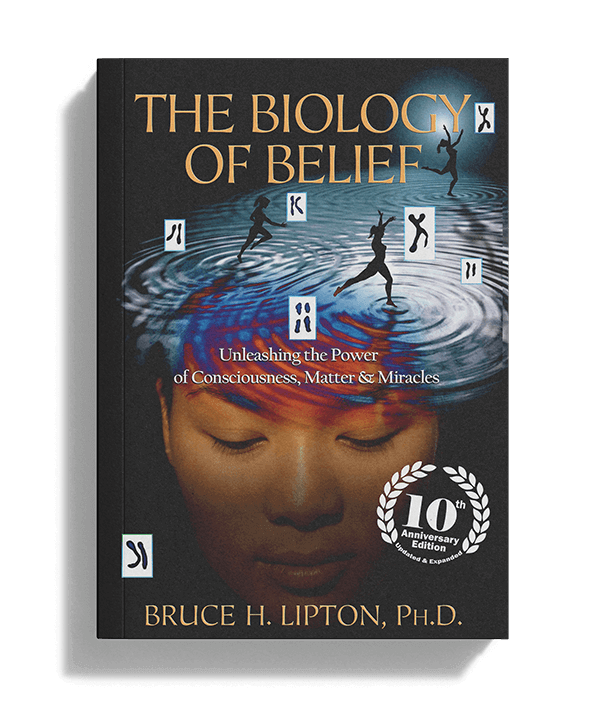
We often think of our genes as our destiny, but the story may be more complicated than that. This book explores how beliefs, environment, and perception can influence our physical and mental well-being. Whether you agree with every conclusion or not, it raises fascinating questions about the relationship between mind and body.
This was one of those books that challenged me to think differently about cause and effect.
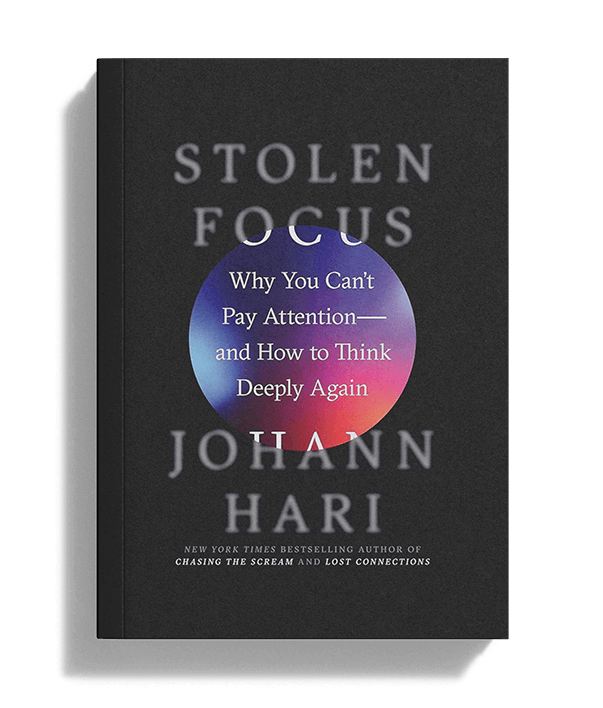
Attention isn’t just a personal responsibility—it’s increasingly something being competed for. This book explores the larger forces affecting our ability to think deeply, stay present, and engage meaningfully with the world around us. It offers a broader perspective on focus than simply blaming ourselves for being distracted.
I finished this book feeling less guilty and more aware.
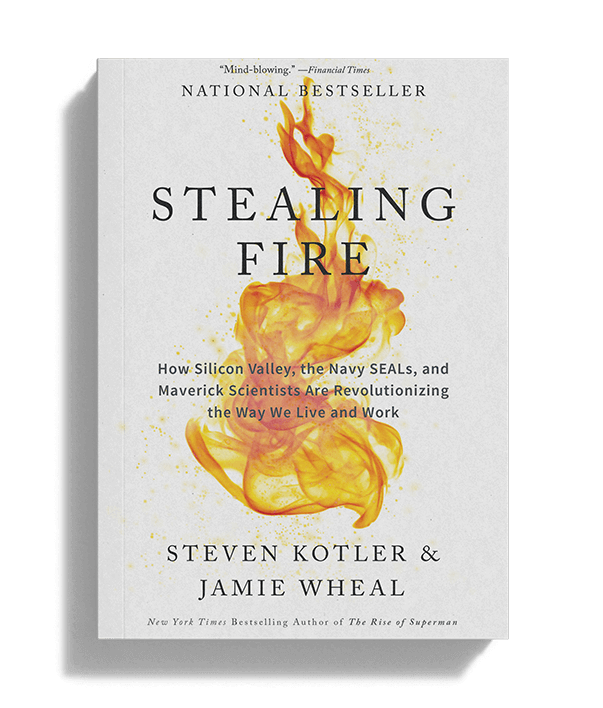
Some of the world’s highest performers seem to access levels of creativity, focus, and insight that feel almost superhuman. This book explores the environments, practices, and experiences that help people enter those states more consistently. It’s a fascinating blend of neuroscience, performance psychology, and human potential.
This book stretched my thinking in ways I wasn’t expecting.
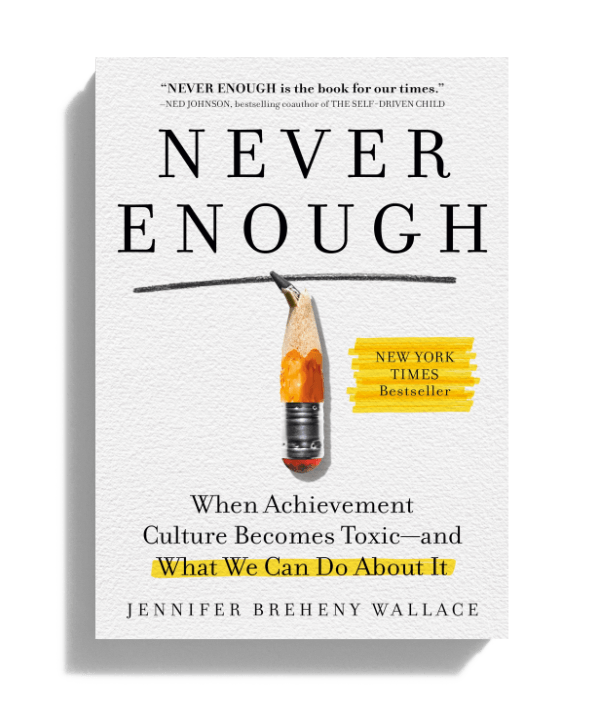
Achievement can be a powerful motivator, but it can also become a trap. This book explores why so many high performers struggle with feeling worthy, even when they’re succeeding by every external measure. It’s a compelling look at what happens when self-worth becomes tied to accomplishment.
I suspect a lot of ambitious people will see themselves in this one.
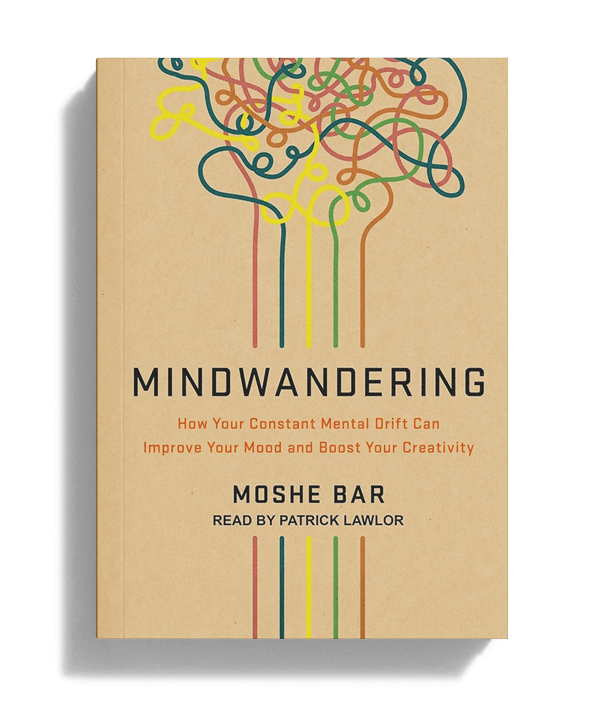
We spend a lot of time trying to stay focused, but sometimes our best ideas show up when we’re not. This book explores how daydreaming, reflection, and mental drift contribute to creativity, problem-solving, and self-awareness. It makes a strong case for giving your brain a little more room to wander.
As someone who gets some of my best ideas in the shower, this one felt validating.

This isn’t just a book about surviving unimaginable hardship but rather about what makes life worth living. Through one of the most difficult experiences imaginable, it explores how purpose and meaning help people endure, adapt, and move forward. Few books have had a bigger impact on how people think about resilience.
Thi
s is one of the rare books I think everyone should read at least once.
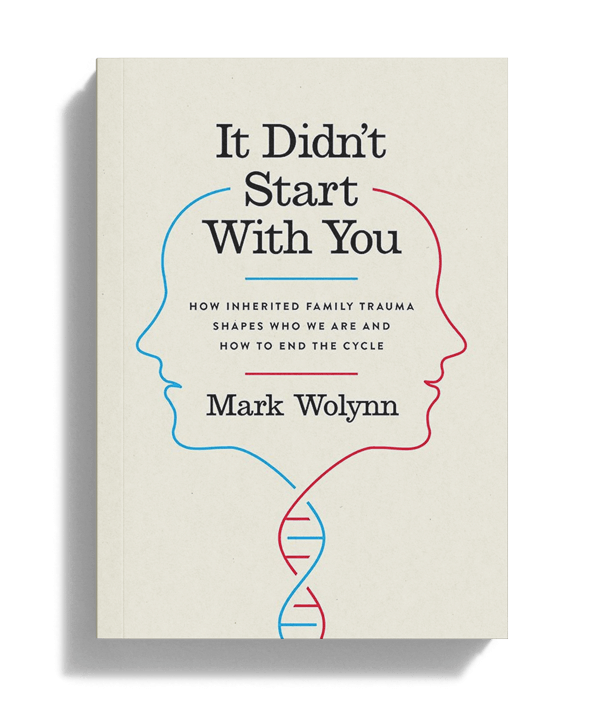
Ever find yourself reacting to something in a way that feels bigger than the moment itself? This book explores how trauma and emotional patterns can be passed down through generations, often without us realizing it. Whether you agree with every conclusion or not, it’s a fascinating look at how our family history may shape our present.
This book gave me a completely different perspective on where some of our struggles come from.
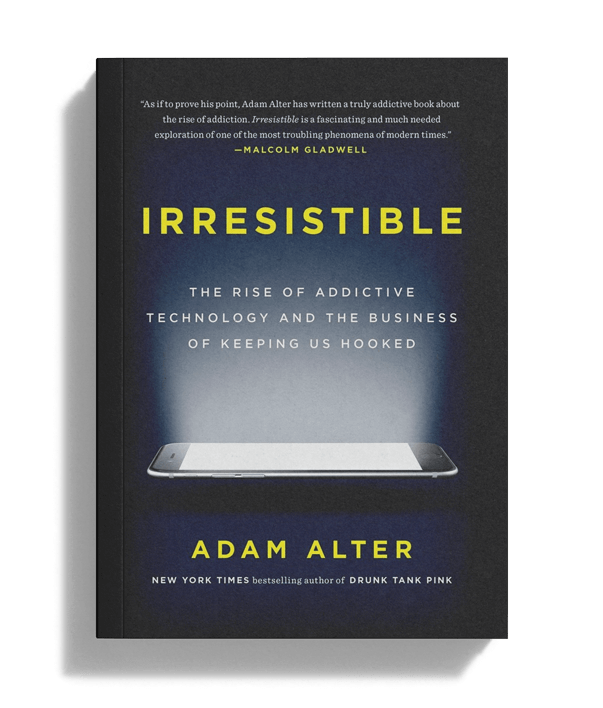
Your attention is one of the most valuable resources you have and there are entire industries competing for it. This book reveals how technology, apps, and digital platforms are intentionally designed to keep us engaged, often longer than we intended. Understanding the game is the first step toward playing it on your terms.
After reading this, it’s hard to look at your phone the same way again.
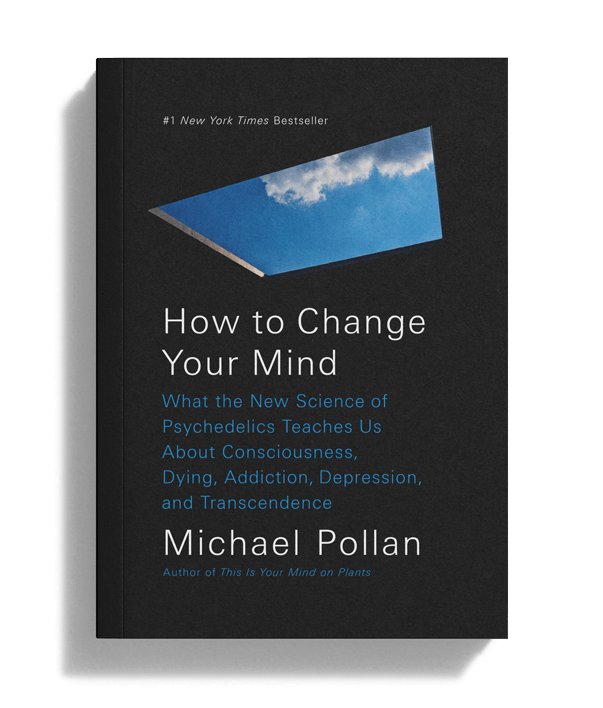
This book is less about psychedelics and more about the nature of consciousness, perception, and change. By exploring emerging research and personal experiences, it raises fascinating questions about how people heal, grow, and make sense of the world around them. You don’t have to agree with every conclusion to find the journey worthwhile.
I highlighted more pages in this book than I expected to.
The world is often better than the headlines would have us believe. Using data and research, this book challenges many of our assumptions about poverty, health, education, and global progress. It teaches you how to separate facts from fear.
This book permanently changed how I consume news and statistics.